
What Actually Happens to Your Carpet After 12 Months Without Professional Cleaning
Most homeowners assume that vacuuming regularly is enough to keep carpets “clean.” They look fine on the surface, smell okay most of the time, and don’t feel sticky or dirty underfoot — so everything must be fine, right?
Not exactly.
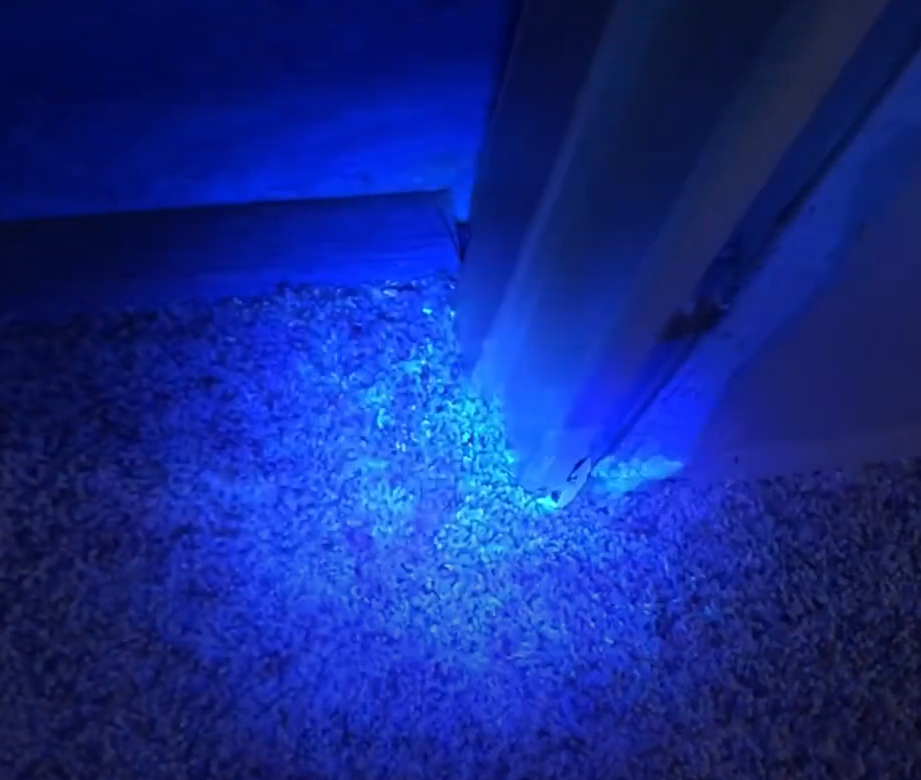
What happens beneath the surface of your carpet over a 12-month period without professional cleaning is very different from what you see with the naked eye. In fact, by the end of a year, most carpets quietly accumulate layers of contamination that affect appearance, air quality, fibre lifespan, and even household health.
In this article, we’ll walk through what truly happens to your carpet month by month, backed by real-world examples from professional carpet cleaning Calgary technicians see every week.
Whether you live in a downtown condo, suburban home, townhouse, or rental property, this will change how you think about carpet maintenance.
Why 12 Months Is the Critical Threshold for Carpets
Most carpet manufacturers and professional carpet cleaners in Calgary recommend deep cleaning every 6–12 months, depending on traffic levels.
Why?
Because carpet is not just fabric — it’s a multi-layer filtration system:
The surface traps visible dirt
The mid-pile captures fine dust and oils
The backing holds moisture, bacteria, allergens, and microscopic debris
By the time visible signs appear, the internal layers have already been compromised.
Let’s break down exactly what happens over a full year.

Month 1–2: The “Looks Fine” Phase
What Homeowners See:
Clean appearance
No obvious odors
Soft texture
Normal color
What’s Actually Happening:
Even immediately after a professional cleaning, carpets begin collecting:
Skin cells (yes — humans shed thousands daily)
Outdoor dust
Microscopic sand particles
Pet dander
Cooking oils carried through air
Airborne pollution
Every time someone walks across the room, these particles are pushed deeper into the fibres.
Real Example (Calgary Condo):
A Beltline condo owner vacuumed daily and believed professional cleaning wasn’t necessary. After only 8 weeks, professional extraction still removed grey water loaded with fine particulate matter from balcony dust, road salt residue, and urban pollution.
Vacuuming alone cannot reach below the surface layers.
Month 3–4: Early Compaction Begins
What Changes Start to Appear:
Carpet feels slightly firmer underfoot
Traffic lanes begin forming
Light dulling of color
Fibres lose bounce
What’s Happening Inside:
Fine grit works like sandpaper. Every step causes:
Fibre abrasion
Micro-cuts in yarn
Increased matting
This is when irreversible fibre damage starts — long before homeowners notice visible wear.
Calgary Climate Factor:
In winter and spring, especially, Calgary carpets absorb:
Road salt particles
Meltwater minerals
Gravel dust
Snowmelt contaminants
These speed up fibre breakdown dramatically.
Month 5–6: Oils & Sticky Residue Build Up

By mid-year, carpets begin accumulating oil-based contaminants:
Cooking vapors
Body oils
Pet oils
Hair products
Cleaning product residue
These oils create a sticky film inside fibres.
What This Causes:
Faster dirt attraction
Darkening in walkways
Reduced vacuum effectiveness
Heavier soil bonding
Real Example (Family Home in NW Calgary):
A family with two kids and a dog vacuumed twice weekly. Despite this, mid-year professional cleaning revealed:
Thick grey oil slurry in the extraction tank
Visible soil release after agitation
Strong odor trapped in the carpet
The homeowners were shocked — because the carpet “looked fine.”
Month 7–8: Odors Begin to Lock In

Odors don’t usually come from surface dirt.
They come from:
Moisture trapped in the backing
Bacteria feed on organic debris
Pet urine salts that are crystallizing
Food spills absorbed into padding
By this stage:
Vacuuming cannot remove odor sources
Deodorizers only mask smells
Humidity activates dormant bacteria
Calgary Reality:
During humid summer days or winter heating cycles, carpets can suddenly release musty or stale odors homeowners can’t identify.
Professional carpet cleaners Calgary technicians see this constantly in basements and bedrooms.
Month 9–10: Allergy Load Peaks
This is where health impacts become noticeable.
Carpets now contain:
Dust mites
Pollen particles
Mold spores
Pet allergens
Fine airborne pollution
Symptoms Homeowners Report:
Sneezing indoors
Itchy eyes
Persistent cough
Increased asthma flare-ups
“Dusty smell” in rooms
Even homes that appear spotless can have carpets acting as allergen reservoirs.
Month 11–12: Fibre Degradation & Permanent Damage

After a full year without professional cleaning:
What Happens Structurally:
Fibres lose elasticity
Matting becomes permanent
Color dullness deepens
Pile crush occurs
Stain bonding becomes stronger
What This Means:
Your carpet is now aging faster than designed.
What should last 10–12 years may only last 6–7.
Why Vacuuming Is Not Enough (Even With Expensive Vacuums)
Vacuuming is essential — but limited.
Vacuuming Removes:
Loose surface debris
Some dry dust
Vacuuming Does NOT Remove:
Oils
Sticky residue
Embedded grit
Bacteria
Odor compounds
Fine particulate bonded to fibres
Professional steam cleaning uses:
Heat
Pressure
Specialized detergents
Mechanical agitation
Deep extraction
That combination breaks soil bonds — something household tools cannot replicate.
The Financial Cost of Skipping Professional Cleaning
Let’s break it down.
Average Professional Carpet Cleaning Calgary Cost:
$200–$450 annually
Average Carpet Replacement Cost:
$5,000–$9,000+ depending on home size
Skipping maintenance shortens lifespan by years.
That’s not saving money — that’s accelerating depreciation.
Special Situations That Speed Up Carpet Contamination
Some homes require more frequent professional cleaning:
Homes With Pets:
Fur oils
Dander
Accidents
Odors
Homes With Kids:
Food spills
Crumbs
Craft materials
Sticky residue
Basement Carpets:
Moisture exposure
Mold risk
Reduced airflow
Rental Properties:
Unknown cleaning habits
Higher traffic
Faster contamination
Professional carpet cleaners Calgary technicians often recommend 6-month intervals for these scenarios.
Signs Your Carpet Has Passed the “Safe Zone”
If you notice any of these, professional cleaning is overdue:
Grey or dark traffic lanes
Carpet feels stiff or crunchy
Musty smell after humidity
Spots reappearing after cleaning
Allergy symptoms indoors
Dull appearance despite vacuuming

What Happens After Professional Cleaning (The Recovery Phase)
After a proper deep clean:
Immediate Results:
Color brightening
Texture softening
Odor removal
Visible soil extraction
Long-Term Benefits:
Fibre longevity
Improved air quality
Slower re-soiling
Easier vacuuming
Reduced allergen load
Many homeowners report their carpets feel “new again” — not because they were dirty on the surface, but because internal contamination was removed.
Final Thoughts: Prevention Is Always Cheaper Than Restoration
Waiting until carpets “look dirty” is already too late.
By that point:
Fibre damage has begun
Odors are embedded
Allergens are trapped
Restoration becomes harder
Routine professional carpet cleaning is not cosmetic maintenance — it’s asset protection for your home.
If you want carpets that:
Look better
Last longer
Smell fresher
Feel softer
Support healthier indoor air
Then, scheduling regular service with a quality carpet cleaning service in Calgary is one of the smartest home investments you can make.


Comments