
Steam Cleaning vs Hot Water Extraction vs “Deep Cleaning”: What Calgary Companies Don’t Explain
If you’ve ever searched “carpet cleaning Calgary”, you’ve seen the same phrases over and over:
Steam cleaning
Hot water extraction
Deep cleaning
Desinfecting
Eco-friendly
Deodorizer
It sounds like you’re choosing between totally different services… but a lot of the time, companies are using different words for the same thing, or using vague words (“deep cleaning”) that can mean anything.
This post breaks down what these terms actually mean, what matters for results in Calgary homes (salt, slush, long winters, pets, basements), and what questions to ask so you don’t overpay—or under-clean.

Why This Is Confusing on Purpose (Sometimes)
Carpet cleaning is one of those industries where marketing terms can be more prominent than standards.
There’s no universal rule that says:
“Steam cleaning” must include visible steam
“Deep cleaning” must involve agitation, pre-spray, dwell time, or rinse
“Hot water extraction” must be done at a certain temperature or with a certain vacuum power
So a company can legally advertise “deep cleaning” while doing a fast pass with minimal prep. Another can advertise “steam cleaning” when the main result is actually hot water + detergent + vacuum (which is hot water extraction).
The words aren’t the problem. The process is.
1) “Steam Cleaning”
Most carpet cleaners in Calgary use “steam cleaning” as a consumer-friendly term for hot water extraction.
Here’s the truth:
True steam is gas (water vapor).
Most professional carpet wands are spraying hot water, not steam.
You might see some steam because hot water hits cooler air, but the cleaning method is still hot water extraction.
So when a company says “steam cleaning,” it often means:
✅ Pre-spray (maybe)
✅ Hot water rinse/extraction
✅ Vacuum recovery
❌ Not necessarily steam as the cleaning agent
Bottom line: “Steam cleaning” is usually a marketing label, not a technical method.
2) Hot Water Extraction (HWE)
This is the industry-standard method for many residential carpets, especially when done correctly.
What it is:
A cleaner applies a pre-spray (cleaning solution), gives it time to work, then uses hot water to rinse and a strong vacuum to extract soil and moisture.
Think of it like washing your hair:
Pre-shampoo (pre-spray)
Massage (agitation)
Rinse (hot water)
Remove water (vacuum extraction)
When people say “professional carpet cleaning,” this is often what they mean—but quality varies massively depending on equipment and technique.
3) “Deep Cleaning”
This is the vaguest term of all.
“Deep cleaning” can mean:
A proper multi-step process with agitation + rinse + extraction
OR
A slow sales pitch for add-ons
OR
A quick job with a stronger fragrance and more soap
There is no consistent definition.
If you see “deep cleaning,” you should immediately ask:
What steps are included?
Is there agitation?
Is there a rinse/extraction step?
Do you leave residue behind?
How long is dwell time?
Because “deep” can be real… or pure advertising.

The Big Secret: Results Depend More on “How” Than “What”
Two companies can both claim:
“Steam cleaning”
“Hot water extraction”
“Deep cleaning”
…and one can leave your carpet fresh, soft, and residue-free, while the other leaves it:
sticky
crunchy
smelling “clean” for 2 days
then re-soiling quickly
Why?
Because the real difference is usually these factors:
The 6 Things That Actually Control Results
Dry soil removal (vacuuming/pile lifting)
Pre-spray chemistry (what it is and whether it matches your soil)
Dwell time (letting chemistry work)
Agitation (breaking soil bonds)
Rinse quality (water, temperature, pressure)
Extraction power (vacuum + number of passes)
If a company skips steps 3 and 4, they can still claim they did “steam cleaning.”
But your carpet will tell the truth later.
Steam Cleaning vs Hot Water Extraction: Are They Actually Different?
Short version:
In Calgary marketing, steam cleaning = hot water extraction in most cases.
Real differences show up in:
water temperature at the wand
pressure used
vacuum strength
pre-treatment + agitation
how much residue remains
So instead of asking “steam or hot water extraction,” ask:
“What’s your process step-by-step?”
Because the process reveals whether it’s legit.
Why “Deep Cleaning” Is Often a Red Flag (But Not Always)
A good company might say “deep cleaning” simply to communicate:
“We do more than a quick pass.”
But many companies use “deep cleaning” when they don’t want to commit to details.
Deep cleaning becomes a red flag when you see:
No mention of pre-treatment
No mention of agitation
No mention of rinse/extraction
Only focus is on scent, “sanitizing,” or “deodorizing.”
Big discounts + upsells at the door
If they can’t describe the process clearly, you’re buying a label.
The Main Methods Calgary Companies Use (Beyond the Buzzwords)
Let’s map out the actual cleaning approaches you’ll see.
Method A: Hot Water Extraction (HWE) / “Steam Cleaning”
Best for: general deep cleaning, traffic lanes, most synthetic carpets
Pros: strong flush and removal when done properly
Cons: can be over-wet if rushed or done poorly; can leave residue if not rinsed well
Quality depends on: pre-spray, agitation, extraction power, and technique

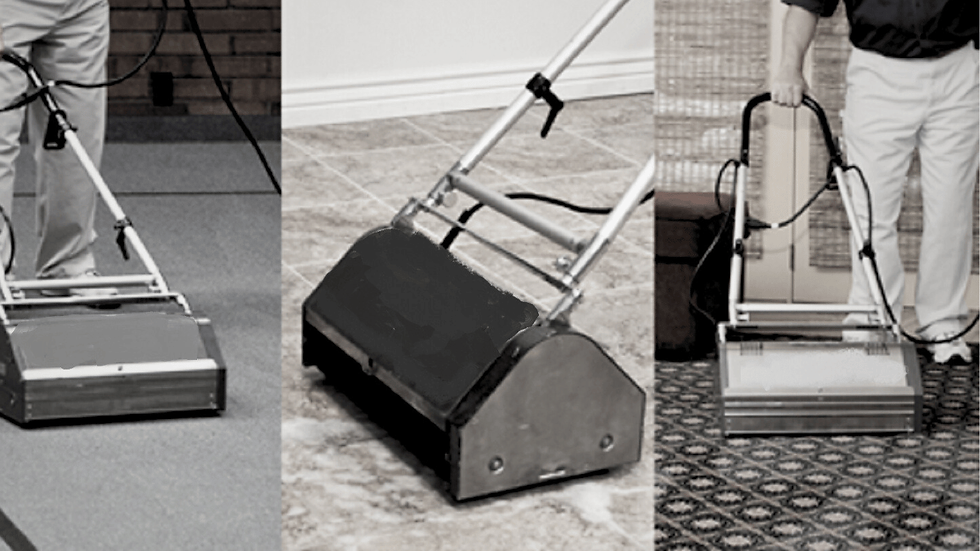
Method B: Low-Moisture Encapsulation (“Encap”)
A rotating brush applies a polymer solution that encapsulates soil, then vacuumed later.
Best for: maintenance cleaning, commercial carpet, quick dry needs
Pros: fast drying, less risk of over-wetting
Cons: not a true “flush,” can leave polymers behind if overapplied, not ideal for heavy soil or pet contamination
In homes, it can be great between deep cleans, but not always a replacement.
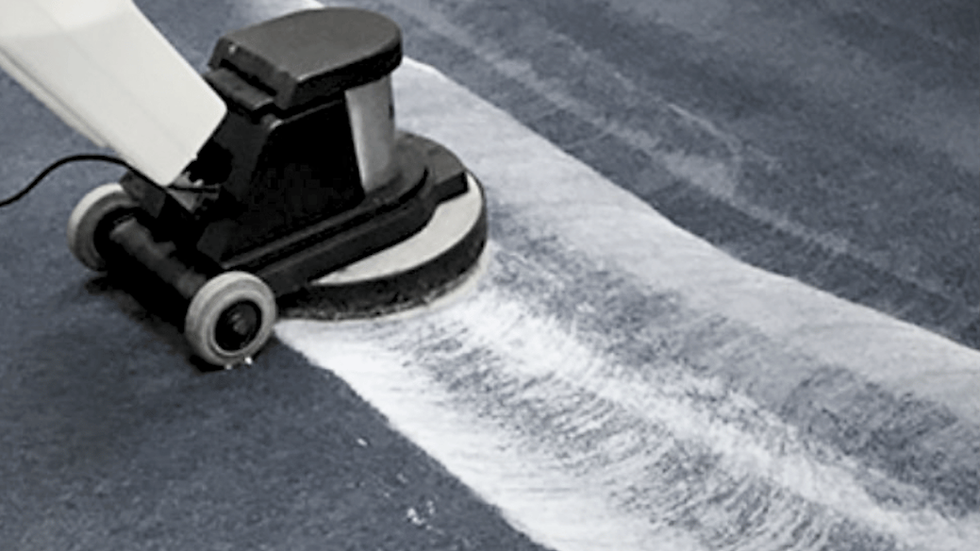
Method C: Bonnet/Pad Cleaning (Surface Absorption)
A machine spins an absorbent pad to pick up soil from the surface.
Best for: surface refresh, appearance improvement
Pros: quick, looks good immediately, dry in 1-2 houra
Cons: can miss deep soil, can wick stains back up, can push moisture downward if misused
Bonnet/pad cleaning can be a valuable step if it’s part of a system, but if it’s the only step and it’s sold as “deep cleaning,” that’s misleading.

Method D: Shampoo (Foam) / High-Soap Methods
Less common with modern pros, but still exists.
Pros: can make carpet smell “clean”
Cons: risk of residue, faster re-soiling, sticky feel, difficult rinsing
If you’ve ever had a carpet feel “crunchy” afterward, this is often why.
The Hidden Issue Calgary Carpet Cleaning Companies Don’t Explain: Residue
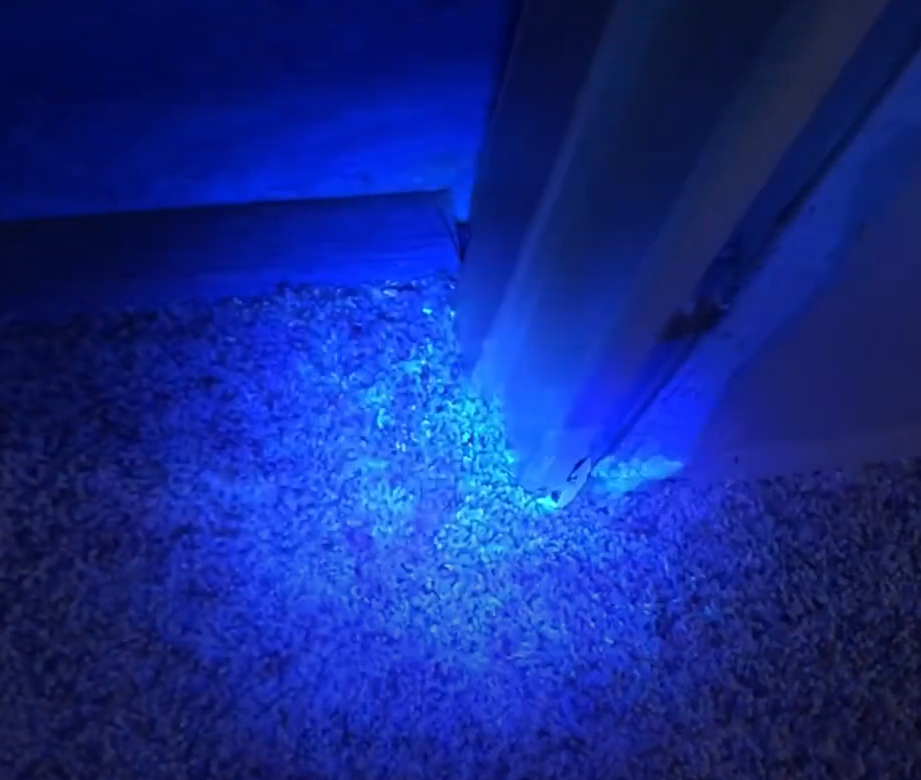
Residue is the number one reason people feel disappointed after cleaning.
What residue does
attracts soil faster
makes carpet feel stiff or sticky
causes “re-soiling” that looks like the carpet got dirty again in weeks
can lock in odors
Where residue comes from
too much detergent in pre-spray
not enough rinse/extraction
using “deodorizer” or “clean scent” products heavily
shampoo-style cleaning that doesn’t flush properly
How to avoid residue
A good process includes:
correct dilution
enough dwell time (so less chemical is needed)
hot water rinse (often with a mild rinse agent)
strong extraction
thorough dry passes
If a company can’t explain how they avoid residue, that’s a problem.
“Sanitizing” and “Disinfecting”: The Marketing Trap
You’ll see claims like:
“We sanitize carpets!”
“Kills 99.9% of germs!”
“Disinfection cleaning!”
Carpet is not a hard, non-porous surface like a countertop. True disinfection has strict rules: contact time, concentration, and conditions.
Carpet cleaning can reduce microbial load and remove soils that support bacteria, but “disinfecting carpet” is often exaggerated unless they use an approved product correctly.
If a company pushes “sanitizing” hard, ask:
What product do you use?
Is it approved for carpet?
What contact time do you achieve?
Do you rinse it out or leave it in?
If they get vague, it’s probably a sales angle.
FAQ
Is steam cleaning the best method?
It’s one of the best when done correctly, but technique matters more than the label.
Why do some carpets look dirty again quickly?
Usually residue, incomplete soil removal, or heavy dry soil left behind (sand/salt).
How often should you deep clean carpets in Calgary?
For many homes: every 6–12 months, depending on pets, kids, and winter traffic. High-traffic homes may benefit from lighter maintenance in between.
Will carpet cleaning remove all pet odor?
Sometimes yes—sometimes no. If contamination is deep into pad or subfloor, surface cleaning alone may not fully solve it.
What’s a normal drying time?
Often 4–12 hours depending on airflow, humidity, and basement vs main floor. In winter, drying can take longer without airflow help.
The Simple Takeaway
If a Calgary company only sells you a word - steam, extraction, deep clean - you’re not getting enough information to choose well.
The quality difference comes down to:
pre-treatment
dwell time
agitation
rinsing
extraction
residue control
honest communication about risks (wicking, pet issues, drying time)


Comments